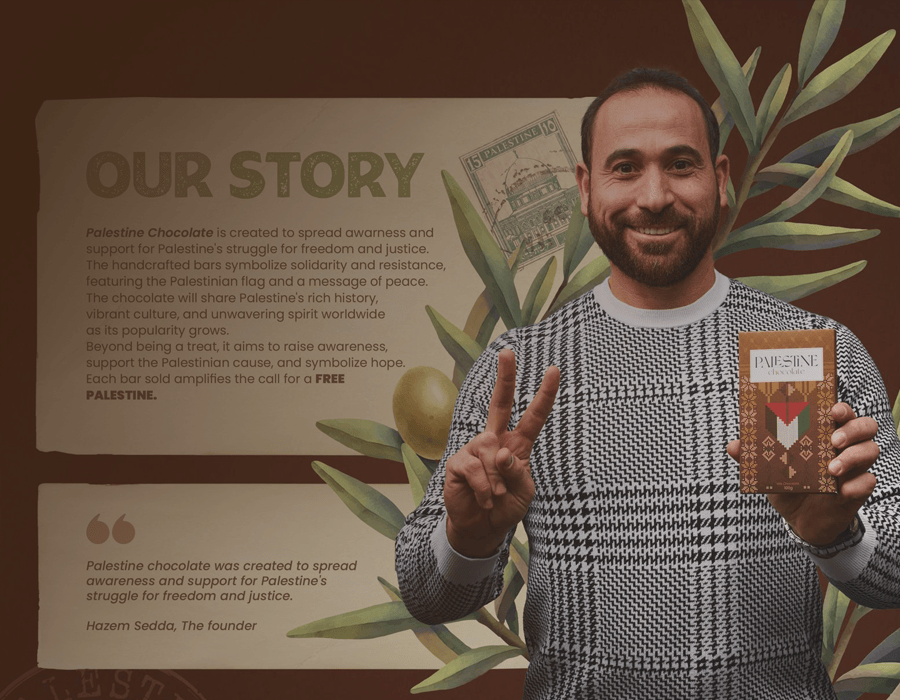
Supporting Freedom Through Chocolate
Hazem Sedda founded Palestine Chocolate after decades of working at Redfern Convenience Store. He was inspired to create handcrafted chocolate bars when he witnessed the...

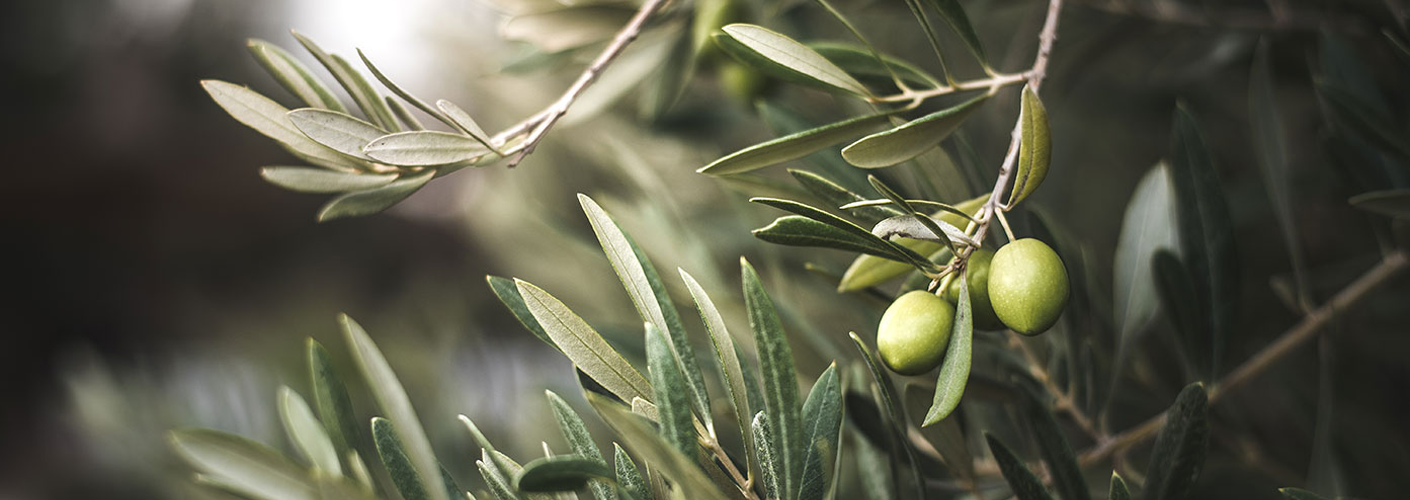
The olive tree holds a deeply rooted and powerful meaning in Palestine. More than just an
agricultural crop, it is a living symbol of identity, heritage, and resilience that has been passed
down through generations. For centuries, olive trees have shaped the Palestinian landscape and
way of life, standing as silent witnesses to history.
In Palestinian culture, the olive tree represents peace, patience, and steadfastness. Its ability to
survive harsh conditions, drought, and time mirrors the resilience of the Palestinian people.
Many olive trees in Palestine are hundreds, and even thousands, of years old, making them a
strong symbol of continuity and deep connection to the land.
Olive farming plays a vital role in the Palestinian economy and daily life. Thousands of families
depend on the annual olive harvest as a primary source of income. Beyond economics, the
harvest season is a time of community, where families and neighbors come together to pick
olives, strengthening social bonds and preserving traditions.
Palestinian olive oil is internationally recognized for its exceptional quality. It is known for its
rich flavor, golden color, and high nutritional value. Naturally organic and cold-pressed,
Palestinian olive oil is rich in antioxidants and healthy fats, making it both a cultural treasure and
a healthy staple in Palestinian cuisine.
What truly distinguishes the olive tree in Palestine is its meaning beyond agriculture. It stands as
a symbol of hope, resistance, and attachment to the land. Protecting olive trees is seen as
protecting history, identity, and the right to remain connected to one’s roots.
In every olive branch and drop of oil, there is a story of heritage, endurance, and pride — a story
that continues to grow with every generation.
 by
by 
Comments are closed